

Is a Same Day Smile Makeover Right for You?
22 August 2026A wedding, a long-awaited holiday or years of hiding your teeth in photographs can make the appeal of a rapid transformation understandable. A same day smile makeover can provide a dramatic visible change in a very short time, but it is not a shortcut around proper diagnosis. The best results come from matching the treatment to the health of your teeth, gums and bite - then being clear about what can genuinely be completed in one appointment.
For many patients, particularly those travelling to Türkiye for dental care, the question is not simply, “Can my smile look better quickly?” It is, “Can it be done safely, predictably and within the time I have available?” The answer depends on the treatment required.
What does a same day smile makeover involve?
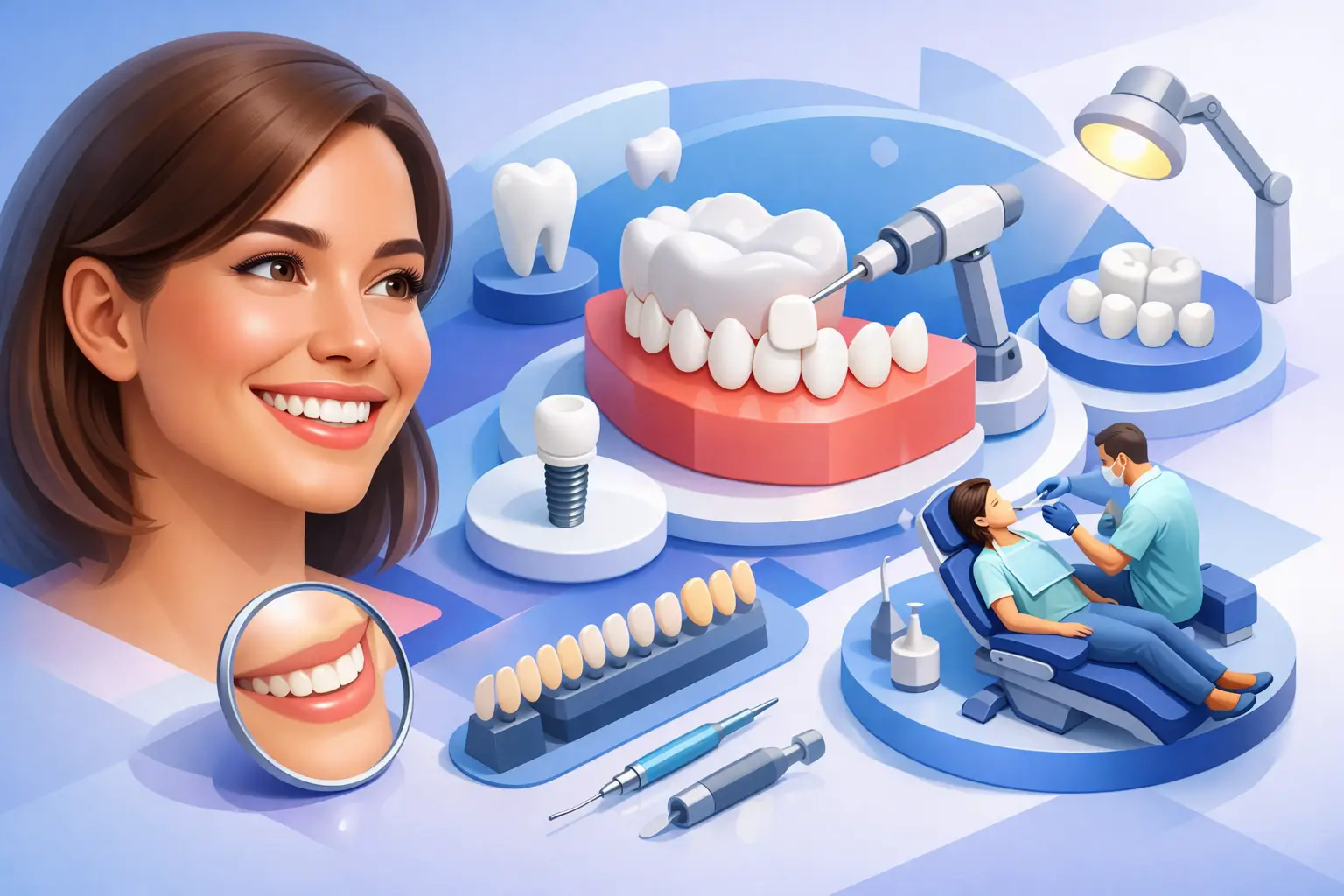
A same day smile makeover is a personalised cosmetic or restorative treatment plan designed to improve the appearance of your smile in a single clinical day, or to give you fixed, natural-looking temporary teeth while your final restorations are being made. It may involve professional whitening, composite bonding, replacement crowns, veneers, or immediate teeth on implants in suitable cases.
The phrase can mean different things at different clinics, which is why a detailed consultation matters. Whitening and composite bonding can often be completed on the day. Digitally designed crowns, veneers and bridges may be produced and fitted quickly where the clinical situation allows. With implant treatment, patients may receive a fixed provisional bridge on the day of surgery, while the permanent final bridge is fitted after healing.
That distinction is important. A temporary restoration is not a lesser result. It protects the treatment area, restores confidence and allows the dental team to assess comfort, speech and bite while the tissues heal. It simply has a different role from the final restoration.
The treatments that may be possible in one visit
Your clinician will recommend the least invasive option that can deliver a healthy, attractive and stable outcome. If teeth are sound but unevenly shaped, discoloured or lightly chipped, composite bonding and whitening may create a noticeable improvement without significant tooth preparation. Bonding is applied directly to the tooth and sculpted to improve length, shape or small gaps.
For patients with older crowns, extensive fillings, worn teeth or more substantial colour changes, porcelain or zirconium restorations may be more appropriate. Digital scanning removes the need for traditional impression materials and helps the team plan proportions, bite and tooth colour accurately. Depending on the number of restorations, laboratory workflow and your oral condition, these may be fitted during a short stay or require a return visit.
Immediate implant solutions are a separate category. If failing or missing teeth need to be replaced and there is sufficient bone stability, implants may be placed and connected to a fixed provisional bridge on the same day. Full-arch solutions such as All-on-4 or All-on-6 can be life-changing for eligible patients, but they require careful surgical planning. They are not suitable simply because a patient has a tight schedule.
Why careful assessment comes before speed
A beautiful smile must also function well. Before planning a same day smile makeover, a dental team should assess the health of the gums, the condition of each tooth, signs of infection, bone levels, jaw function and the way your upper and lower teeth meet.
Digital X-rays and, where necessary, 3D imaging provide a clearer view beneath the gum line. Intraoral scans allow a precise digital model of the teeth to be created, while smile design tools can help patients understand proposed changes before treatment begins. Photographs and shade analysis are also useful for planning teeth that suit facial features, complexion and expectations rather than following a one-size-fits-all “Hollywood” look.
Gum disease, untreated decay, active infection or an unstable bite may need to be addressed first. Treating these issues is not a delay for its own sake. It protects the investment you are making in cosmetic work and reduces the risk of pain, failure or disappointing results later.
What happens during the planning process?
For international patients, efficient planning often begins before travelling. You may be asked to share recent dental X-rays, clear photographs of your teeth and a description of your concerns. This helps the clinical team provide an initial indication of suitable options, expected appointment length and whether a same-day provisional result may be possible.
The final plan can only be confirmed after an in-person examination. Teeth that appear straightforward in photographs may have hidden cracks, decay or gum concerns. A dependable clinic will explain any changes to the original proposal, including why a different approach may be safer.
Once the plan is agreed, the appointment may include scans, shade selection, tooth preparation where required, placement of restorations and bite adjustments. A good makeover is not finished when the mirror first looks impressive. The team should check that your teeth meet evenly, that you can speak comfortably and that the result is practical for everyday eating.
Same day does not always mean final teeth
The most common misunderstanding is assuming that every treatment can be fully completed in hours. Dental materials and biological healing both have their own timelines. After implant placement, for example, the implants need time to integrate with the jawbone before the final bridge is fitted. Rushing this stage can compromise long-term stability.
Temporary crowns, veneers or implant bridges are carefully made to look presentable and allow you to continue daily life. However, they may require a softer diet, especially following implant surgery. You should avoid biting hard foods with front teeth, chewing ice or using your teeth to open packaging. Final ceramic restorations are designed after healing or after the dental team has confirmed that the bite is stable.
For some patients, a staged approach gives the strongest result: address gum health first, then complete cosmetic restorations on a later visit. For others, a single well-planned appointment is entirely realistic. The right route depends on clinical need, not marketing promises.
Choosing a smile that still looks like you
A successful makeover should look intentional, not artificial. Very white, very uniform teeth suit some faces and preferences, but natural detail often creates the most convincing result. Tooth shape, translucency, texture and the curve of the smile all affect the final appearance.
During planning, be open about what you would like to change. Perhaps you want to soften sharp edges, close a small gap, brighten teeth without an overly white shade, or replace crowns that no longer match. Equally, tell the clinician what you do not want. Reference photographs can be helpful, but they should guide a discussion rather than dictate a copy-and-paste outcome.
It is also sensible to consider maintenance. Whitening requires occasional top-ups. Composite bonding can stain or chip over time and may need polishing or repair. Crowns and veneers are durable but still depend on excellent brushing, interdental cleaning and regular examinations. If you grind your teeth, a night guard may be recommended to protect your new restorations.
Planning a dental trip with confidence
When arranging treatment abroad, time should be built in for review appointments rather than booking flights around a single procedure alone. Allow enough flexibility for scans, unexpected clinical findings and bite checks. Ask whether provisional and final restorations are planned, what aftercare instructions you will receive and how the clinic supports patients once they return home.
At Dentaglobal, digital planning, specialist-led treatment and multilingual patient coordination help make this process clearer for patients travelling to İzmir. The aim is not to promise the same procedure to everyone, but to organise the right treatment sequence around your oral health and travel schedule.
A rapid smile transformation can be an excellent option when it is clinically appropriate. Start with a proper assessment, choose a plan that protects your long-term dental health, and give your final smile the time it needs to look good, feel comfortable and last.