

Can Gum Disease Stop Implants?
23 June 2026If you have been told you need dental implants but your gums bleed when you brush, the real question is not just cost or timing. It is whether can gum disease stop implants from working at all. The short answer is yes, gum disease can delay or even rule out implant treatment for a period of time, but in many cases it can be treated first so implants become a safe option later.
That distinction matters. Many patients assume implants are impossible once gum disease is present. Others assume implants can simply replace teeth without addressing the gums underneath. Neither view is quite right. Implant treatment depends on healthy supporting tissues, and that includes both bone and gums.
Can gum disease stop implants before treatment starts?
Yes, especially if the disease is active. Gum disease is an infection and inflammatory condition that affects the tissues supporting the teeth. In its earlier stage, called gingivitis, the gums may be red, swollen, or bleed easily, but the bone support is usually still intact. In the more advanced stage, periodontitis, the infection starts to damage the bone and connective tissues that hold teeth in place.
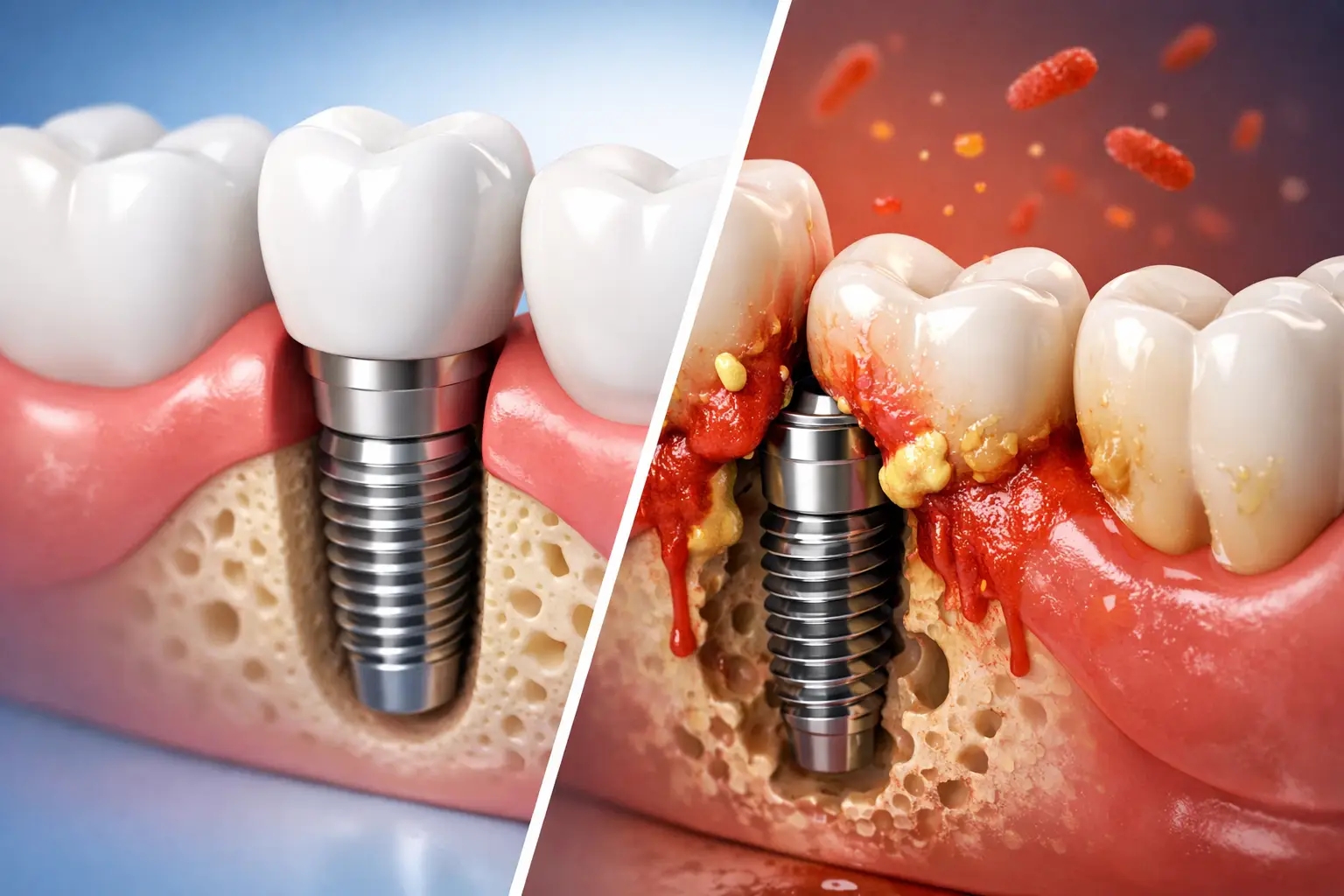
Dental implants need a stable foundation. They are placed into the jawbone and rely on a healing process called osseointegration, where the implant bonds with the bone. If the gums are infected or the surrounding bone has already been reduced by periodontal disease, that process becomes less predictable. The risk of implant failure, poor healing, and later complications rises.
This is why experienced implant teams do not look only at the gap where a tooth is missing. They assess the whole mouth. If there is active periodontal disease, it usually needs to be controlled before implant surgery goes ahead.
Why gum health matters so much for implant success
An implant is not immune to the same problems that damage natural teeth. While implants cannot develop tooth decay, the tissues around them can still become inflamed or infected. This is known as peri-implant disease. In mild cases, it affects the gum. In more advanced cases, it can lead to bone loss around the implant.
Patients with a history of gum disease are not automatically excluded from implants, but they are in a higher-risk group. That does not mean treatment is off the table. It means planning needs to be more careful, hygiene needs to be excellent, and follow-up care becomes even more important.
For many patients, the key issue is not whether they have ever had gum disease. It is whether the disease is active now, how much damage has already occurred, and whether the mouth can be stabilised before treatment.
When implants may need to wait
There are several situations where a clinician may recommend delaying implants. If your gums bleed heavily, if there is pus around the teeth, if pockets around the gums are deep, or if scans show active bone loss, implant placement is usually not the first step. The infection needs to be brought under control first.
Sometimes the problem is localised to one area. In other cases, it affects the whole mouth, especially in patients who have lost multiple teeth due to periodontitis. Full-mouth cases can still be treated successfully, but they require proper sequencing. That may include periodontal therapy, extractions where necessary, temporary restorations, and only then implant placement.
Smoking, uncontrolled diabetes, poor oral hygiene, and irregular dental care can make this stage longer and more complex. These factors do not always prevent treatment, but they can affect healing and long-term stability.
Can gum disease stop implants permanently?
Not always. In many cases, the answer is no. Gum disease may stop implants for now, but not forever.
What matters is whether the infection can be treated and whether enough healthy bone and gum support can be preserved or rebuilt. Many patients with previous periodontal disease go on to have successful implant treatment after the gums are stabilised. Some may need deep cleaning, periodontal treatment, or surgical care. Others may also need bone grafting if the disease has caused significant bone loss.
There are, however, cases where the damage is severe enough that standard implant treatment becomes more complicated. If bone loss is extensive, the treatment plan may need to change. That could mean grafting, sinus lift procedures in the upper jaw, or in advanced cases, alternative implant solutions designed for limited bone volume.
This is where detailed assessment matters. A proper plan should not be based on guesswork or a quick look at the smile. It should be based on clinical examination, periodontal measurements, and 3D imaging where needed.
How gum disease is treated before implants
The first aim is to stop active infection. This often starts with a thorough hygiene phase, including professional cleaning and detailed home-care instruction. If the disease is more advanced, root surface debridement may be needed to remove bacteria and deposits from below the gumline.
After that, the gums are reassessed. Some patients respond well to non-surgical treatment and improved daily cleaning. Others need periodontal surgery to reduce deep pockets or improve access for cleaning. If teeth are loose beyond repair, they may need to be removed as part of the overall plan.
Once the gums are stable, the next question is whether the bone is sufficient for implants. If it is not, bone grafting may be recommended. This can add time to the treatment journey, but it also improves the chances of long-term success.
For international patients, this staged process needs to be planned carefully. It is not always realistic to expect periodontal treatment, healing, implant placement, and final teeth to happen in one very short trip. In some cases it can be done in phases, with clear timings and remote follow-up between visits.
What if you already lost teeth because of gum disease?
This is common, and it does not mean implants are no longer possible. In fact, many adults seeking implants have lost teeth for exactly this reason. The crucial point is that the disease process must be brought under control before new implants are placed.
If multiple teeth are missing, a full-arch option such as implant-supported bridges may be considered. These cases can work well, but they need disciplined maintenance. Patients who have had periodontal disease in the past need to understand that implant treatment is not a one-off fix. Long-term success depends on regular reviews, hygienist visits, and careful cleaning around the restorations.
A modern clinic will also look at bite forces, the design of the prosthetic teeth, and how easy the bridge or crowns will be to keep clean. Good implant dentistry is not only about placing fixtures in bone. It is about creating a restoration that can be maintained properly over time.
Can gum disease stop implants if it has been treated?
Usually not, if it has been treated successfully and the mouth is stable. A past history of gum disease is a warning sign, not an automatic barrier. Once the infection is controlled and oral hygiene is reliable, many patients can move forward with implants safely.
That said, risk does not disappear entirely. Patients with previous periodontitis need closer monitoring than those with no periodontal history. They may need more frequent maintenance appointments and stricter plaque control. This is not a drawback of the treatment. It is simply the reality of protecting an investment in your oral health.
The good news is that with careful planning, digital diagnostics, and specialist-led care, those risks can be managed. At clinics such as Dentaglobal, this means assessing gum health before any implant decision is made, rather than rushing into treatment that the tissues are not ready to support.
Questions to ask before going ahead
If you are considering implants and know you have gum problems, ask direct questions. Is the gum disease active or stable? How much bone has been lost? Will you need periodontal treatment before implants? Will your hygiene routine be enough to maintain them after treatment? And if you are travelling for care, how will reviews and aftercare be handled once you return home?
These are not small details. They shape whether treatment is safe, how long it will take, and what kind of result is realistic. A trustworthy treatment plan should explain the condition of your gums first, not jump straight to the final cosmetic result.
Gum disease can absolutely stand in the way of implants, but often only until the underlying problem is treated properly. If your gums are inflamed, bleeding, or have already caused tooth loss, that is not the moment to give up on implants. It is the moment to get a clear diagnosis, stabilise your oral health, and build a treatment plan that gives your implants the support they need to last.