

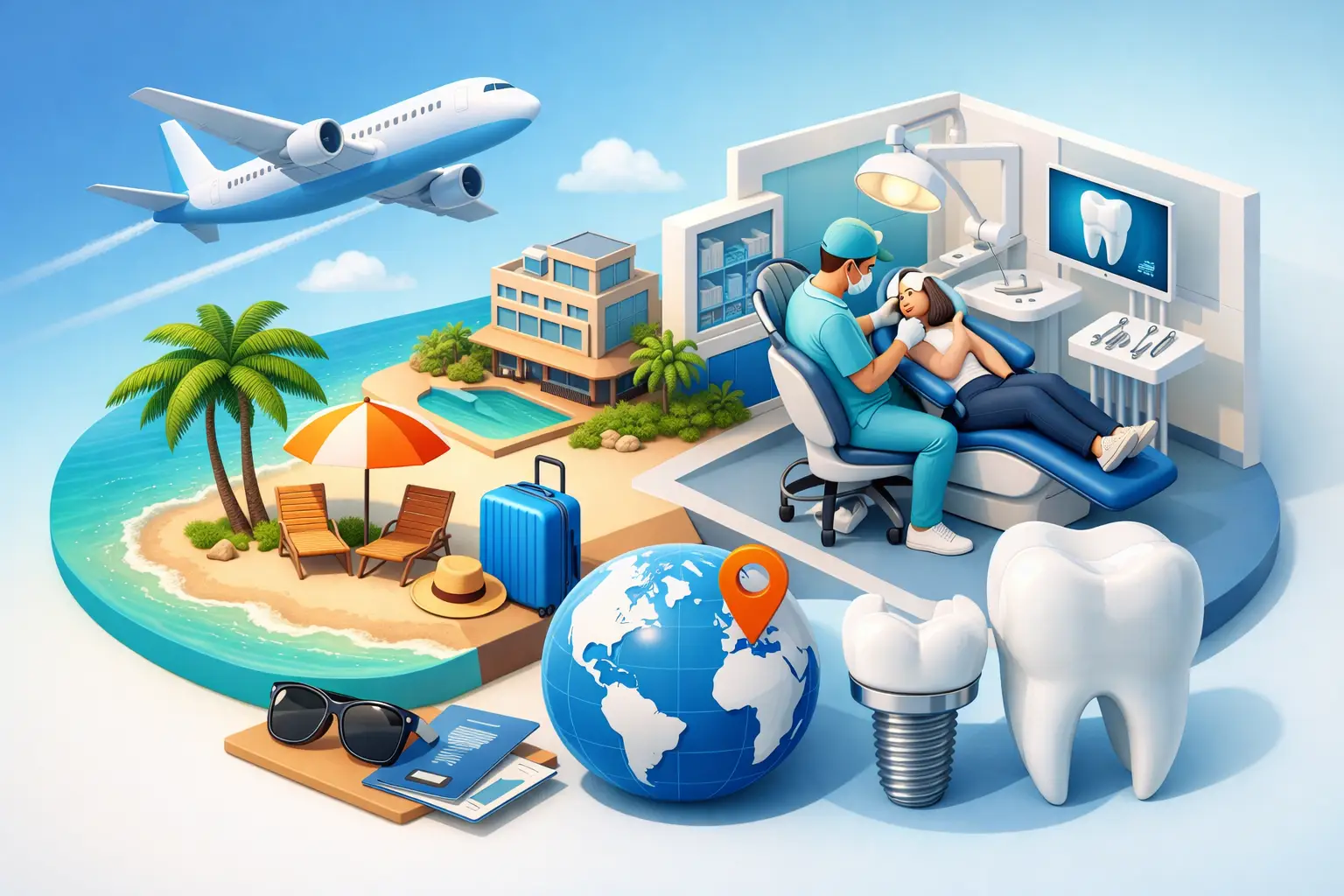
Top Reasons Patients Choose Dental Tourism
12 August 2026A full-mouth restoration quoted at a private clinic in the UK can feel financially out of reach, particularly when implants, crowns and preparatory treatment are involved. That gap in affordability is one of the top reasons patients choose dental tourism, but it is rarely the only one. Many people travel because they want a clear plan, access to experienced clinicians and the chance to complete significant treatment without years of delays.
For patients considering treatment abroad, the decision deserves more than a simple price comparison. Dental work affects comfort, function and confidence for years to come. The right clinic should combine transparent costs with appropriate diagnostics, specialist-led planning and support that continues after the flight home.
Why patients choose dental tourism for major treatment
Dental tourism is most relevant when a patient needs several procedures rather than a single routine appointment. A missing tooth may require an implant, bone support where necessary and a final crown. Worn or damaged teeth may need a combination of periodontal care, root canal treatment, crowns or veneers. When these needs are assessed together, the total cost and timetable can become difficult to manage at home.
More accessible costs for comprehensive care
The most obvious motivation is cost. Dental fees vary considerably between countries due to differences in operating costs, staffing, laboratory pricing and local overheads. For treatments such as implant-supported bridges, All-on-4 or All-on-6 restorations, zirconium crowns and cosmetic veneers, the difference can be substantial even after allowing for flights and accommodation.
Affordability should not mean choosing the lowest figure presented online. A meaningful quotation explains what is included: consultations, scans, temporary teeth where appropriate, implant components, laboratory work, final restorations and planned reviews. Patients should also ask what could change the estimate, such as the discovery of infection, insufficient bone volume or a need for additional periodontal treatment.
For many patients, travelling makes it possible to address the underlying problem properly rather than postponing care or selecting a short-term fix. That can be especially valuable when chewing has become difficult, several teeth are missing or a smile has deteriorated over time.
Access to treatment plans built around the whole mouth
A fragmented approach can be frustrating. One appointment focuses on a painful tooth, another on a crown, and cosmetic concerns remain unaddressed until later. International patients often seek a more complete assessment, particularly if they are investing time and money in travel.
A thorough plan starts with clinical examination and digital imaging, then considers oral health, bite, gum condition, facial aesthetics and the patient’s priorities. The best option is not always the most extensive one. Some patients are suited to a single implant and crown; others may benefit from a full-arch solution. A responsible clinician will explain why a particular route is recommended and where conservative treatment remains possible.
This clarity matters for budgeting as well as clinical confidence. Patients should know the number of visits required, how long each phase will take and whether healing time means a second trip is necessary. Immediate teeth are possible in selected implant cases, but they are not automatically suitable for every patient.
Specialist expertise and modern dental technology
Dental tourism has developed beyond the idea of combining a holiday with a quick cosmetic procedure. Patients increasingly look for clinics equipped to manage complex restorative and surgical cases, from full-mouth rehabilitation to advanced implant solutions.
Digital planning improves predictability
Digital dentistry supports more accurate diagnosis and treatment planning. Three-dimensional scans can help clinicians assess bone volume, nerve pathways and implant positioning. Intraoral scanning can improve the fit of crowns, bridges and veneers while reducing the need for conventional impressions.
Technology does not replace clinical judgement, but it can make that judgement more informed. It also gives patients a clearer understanding of what is proposed. A visual treatment plan can show the current condition of the teeth, the likely sequence of care and the expected design of a restoration before treatment begins.
For implant treatment, planning is particularly important. Placement should be based on the final tooth position, bite forces and long-term cleansability, not simply on where there appears to be available bone. This is one reason patients should prioritise diagnostic standards and clinician experience over promotional promises.
A broader range of options in one clinic
Complex cases often involve more than one area of dentistry. A patient having implants may also need gum treatment, extractions, root canal therapy or carefully designed temporary restorations. Someone considering veneers may first require alignment, fillings or whitening to achieve a healthier, more balanced result.
A multi-specialty clinic can coordinate these stages within one plan. This reduces the risk of disconnected decisions and gives the patient a single point of communication throughout the process. At Dentaglobal, international treatment planning is designed around this joined-up approach, helping patients understand both the clinical steps and their travel schedule before they commit.
A faster route from consultation to treatment
Long waits are another reason patients look overseas, especially when treatment affects everyday life. Persistent tooth pain, loose dentures or gaps in visible teeth can interfere with eating, speaking and social confidence. Waiting months for an initial consultation can feel impractical when the issue is already affecting wellbeing.
Dental tourism providers can often begin with remote communication. Patients may share recent X-rays, photographs and a description of their concerns to receive an initial indication of options. This is useful for planning, but it should not be mistaken for a final diagnosis. A proper treatment plan must be confirmed after an in-person examination and appropriate imaging.
Once the clinical plan is agreed, appointments can be organised efficiently around a patient’s stay. This can be advantageous for procedures that involve several connected visits, such as preparation and fitting of crowns or veneers. Yet speed must never be confused with rushing. Healing biology still applies. Implant integration, gum recovery and bite adjustment need the time they need.
The appeal of a supported travel experience
Travelling for dentistry can feel daunting, particularly for patients already anxious about treatment. Language barriers, unfamiliar transport and uncertainty about appointment timings can add unnecessary stress. For this reason, patients often choose providers that offer multilingual communication and practical coordination from the first enquiry onwards.
Support should include clear pre-travel instructions, a realistic itinerary and an explanation of what to expect after each appointment. Patients need to know whether they will be comfortable sightseeing after a procedure, when they can eat normally and what medication or aftercare instructions may apply. They should also understand what happens if an adjustment is needed before departure.
Comfort is not simply a hospitality detail. A well-organised journey allows patients to focus on treatment and recovery rather than solving logistical problems between appointments. İzmir is also attractive to many European visitors because it offers straightforward access, a relaxed coastal setting and the opportunity to recover away from daily pressures. The destination, however, should remain secondary to the clinic’s clinical standards.
Better value does not remove the need for due diligence
The strongest reasons to choose dental tourism all depend on choosing carefully. A low headline price is not evidence of quality, and dramatic before-and-after images cannot reveal whether the bite is functional, the gums are healthy or the work will be easy to maintain.
Before booking, patients should request a written treatment outline, ask who will carry out each stage and check the materials proposed for restorations. They should be comfortable with the clinic’s infection-control standards, diagnostic process and approach to complications. It is also sensible to ask about guarantees, what they cover and how post-treatment questions are handled once the patient is back in the UK.
Patients should be cautious of plans that recommend extensive tooth reduction or extraction without sufficient explanation. Cosmetic goals are valid, but preserving healthy tooth structure where possible remains a core principle of good dentistry. The right treatment balances appearance with function, tissue health and long-term maintenance.
Aftercare is part of the treatment, not an extra
The decision to travel is easier when patients know they will not be left without guidance after returning home. Good aftercare begins before treatment, with clear expectations about normal recovery and warning signs that require attention. It continues through follow-up messages, accessible clinical advice and records that explain the work completed.
For implant and restorative cases, patients should also commit to ongoing hygiene appointments and routine reviews with a dentist at home where appropriate. Crowns, bridges, veneers and implants can achieve excellent longevity, but they still require daily cleaning, healthy gums and regular monitoring. Dental tourism can provide a valuable starting point for transformation, not a substitute for lifelong oral care.
For the right patient, treatment abroad can turn an overwhelming dental problem into a planned, achievable course of care. The most worthwhile choice is not simply the cheapest destination, but the clinic that gives you sound clinical reasoning, realistic timelines and reassurance long after you return home.