

Top Benefits of Zirconia Crowns for Your Smile
17 July 2026A crown should do more than cover a damaged tooth. It needs to withstand everyday biting forces, sit comfortably against the gums and look convincing when you speak or smile. The top benefits of zirconia crowns make them a popular option for patients who want a durable, metal-free restoration without compromising on appearance.
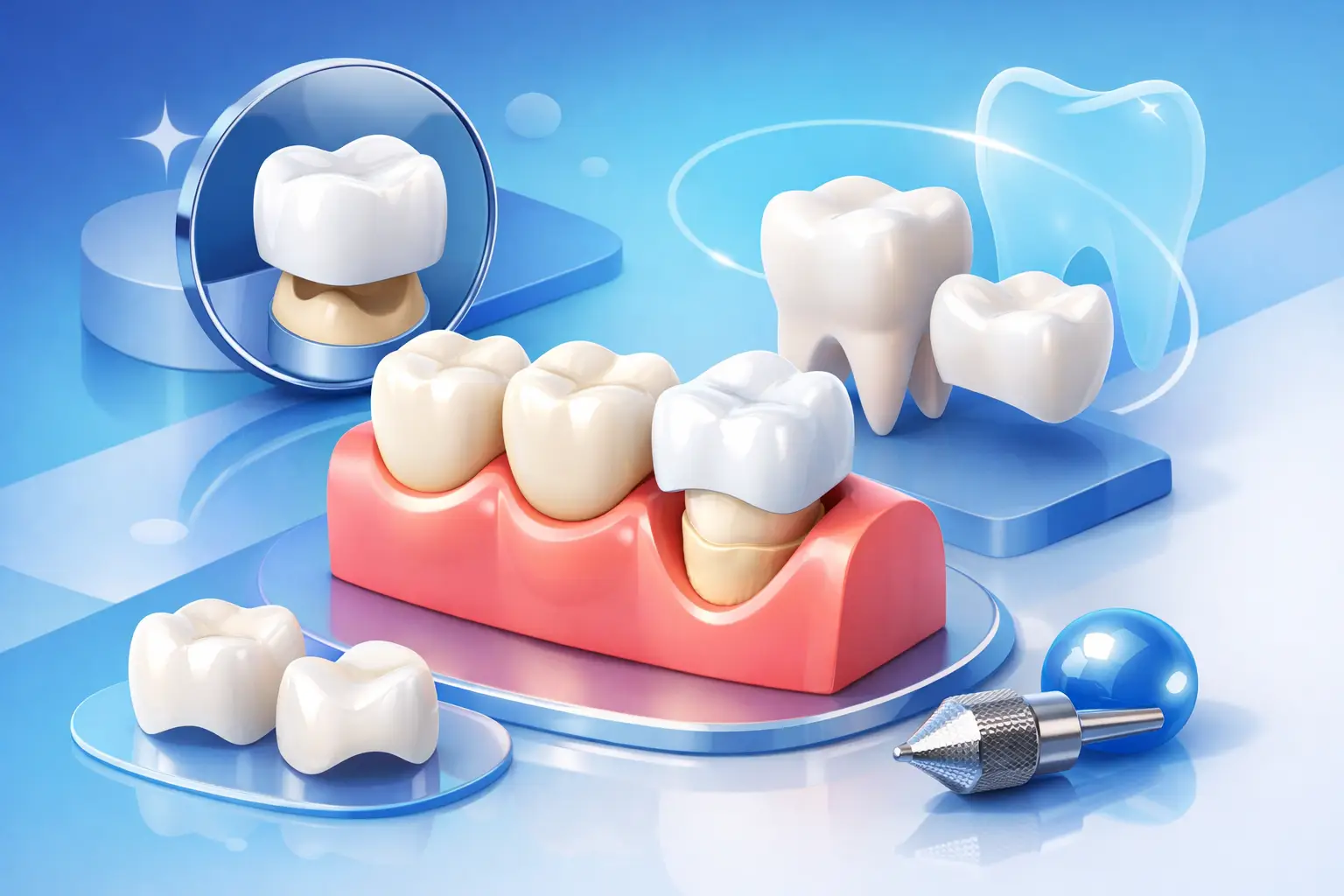
Zirconia crowns are made from zirconium dioxide, a high-performance ceramic used in modern restorative dentistry. With digital scanning, precise treatment planning and individual shade selection, they can be designed to restore a single tooth, support a bridge or form part of a wider smile rehabilitation. The right choice still depends on your bite, the tooth position and your cosmetic goals, but zirconia offers a particularly strong balance of function and aesthetics.
The top benefits of zirconia crowns
Strength for heavily used teeth
Zirconia is valued first for its strength. Back teeth manage much of the pressure generated during chewing, especially in patients who clench or grind their teeth. A well-designed zirconia crown can tolerate these forces better than many more delicate ceramic options, making it a dependable choice for molars and premolars.
This strength can also be useful where a tooth has been weakened by a large filling, fracture or root canal treatment. The crown surrounds the remaining tooth structure and helps distribute biting pressure more evenly. It does not make the natural tooth indestructible, however. Very hard foods, untreated grinding and poor oral hygiene can still damage a crown or the tooth beneath it.
A natural, metal-free appearance
Older crown designs often used a metal substructure beneath porcelain. While effective, this can sometimes create a darker edge near the gum line or reduce the natural translucency of the restoration. Zirconia contains no metal, so there is no risk of a visible grey metal margin as the gums change over time.
Modern zirconia is available in different levels of translucency and a broad range of shades. For visible teeth, the dental team can match the crown to the surrounding enamel, considering colour, surface texture and the way light reflects across your smile. Higher-translucency zirconia can produce a very lifelike result, particularly when the underlying tooth colour is favourable.
There is a practical distinction here. The strongest monolithic zirconia is often ideal for posterior teeth, while layered or more translucent zirconia may be selected when detailed aesthetic character is the priority. Your dentist will balance beauty with the level of force that tooth receives.
Comfortable compatibility with gum tissue
A well-fitting zirconia crown has a smooth, polished surface that is generally kind to the surrounding soft tissue. This is especially relevant when the crown margin is close to the gum line. Healthy gums depend on accurate crown contours, careful cementation and effective cleaning at home, but material choice matters too.
Zirconia’s biocompatibility is one reason it is often considered for patients who prefer metal-free dentistry. It does not corrode, and it is less likely to cause the metallic appearance associated with some traditional restorations. If you have a known material sensitivity or complex gum concerns, these should be discussed during your consultation rather than assumed.
Precision through digital dentistry
A crown feels most natural when it fits accurately. Digital intraoral scans allow the dentist to record the prepared tooth and surrounding bite without relying solely on conventional impression materials. The restoration can then be planned digitally, with attention to the contact points between teeth, the bite relationship and the shape of the gum line.
This precision supports comfort and longevity. A crown that is too high may feel uncomfortable when biting; a poorly shaped contact can trap food; an inaccurate edge may encourage plaque accumulation. Digital workflows do not remove the need for clinical skill, but they give the clinician detailed information to design and assess each restoration.
For patients travelling for treatment, a clear digital plan can also make the process more predictable. It helps the team organise appointments efficiently while allowing appropriate time for tooth preparation, laboratory fabrication, fitting and final bite adjustments.
Long-term value rather than a short-term fix
The upfront price of a zirconia crown may be higher than that of some alternative materials, but value should be judged over the expected service life, appearance and suitability for the tooth. A durable, accurately fitted crown can protect a compromised tooth for many years when it is properly cared for.
That said, no clinic can responsibly promise an identical lifespan for every crown. Habits such as smoking, nail biting, using teeth to open packaging and uncontrolled teeth grinding can reduce longevity. Regular dental checks are also important because decay can still develop at the crown edge if plaque is not removed effectively.
When is a zirconia crown the right choice?
Zirconia may be recommended for a cracked or extensively filled tooth, a tooth treated with root canal therapy, a worn tooth that needs rebuilding, or an implant crown. It is also frequently chosen for bridges because of its strength. Patients seeking a more uniform smile may use zirconia crowns as part of a carefully planned cosmetic treatment, although crowns should not be placed on healthy teeth without a clear clinical reason.
The location of the tooth matters. For a highly visible front tooth, some patients may be better suited to lithium disilicate or another aesthetic ceramic, depending on the required shade, available space and how much natural tooth structure remains. In other cases, high-translucency zirconia can be an excellent front-tooth solution. There is no single material that is best for every smile.
The condition of the gums and bite is equally important. Active gum disease should be stabilised before final crowns are fitted. Patients with bruxism may need a protective night guard after treatment, even when zirconia is used. A crown is part of a wider oral health plan, not a substitute for treating the causes of tooth wear or gum inflammation.
What to expect from zirconia crown treatment
Treatment begins with an examination, photographs and X-rays where clinically needed. The dentist assesses the tooth, roots, surrounding gums and bite, then explains whether a crown is appropriate or whether a more conservative option, such as a filling, inlay or veneer, could work instead.
If a crown is the right treatment, the tooth is prepared conservatively to create space for the ceramic. A digital scan is taken, and a temporary crown may be placed while the final restoration is made. At the fitting appointment, the dentist checks the shade, shape, contacts and bite before permanently securing the crown.
At Dentaglobal, this planning is particularly important for international patients, whose visit schedule must allow for both clinical accuracy and final adjustments. Multilingual coordination and structured post-treatment guidance help patients understand how to care for their restoration after returning home.
Caring for your zirconia crown
Care is straightforward but essential. Brush twice daily using fluoride toothpaste and clean between your teeth every day with interdental brushes or floss recommended for your mouth. Pay close attention to the gum line around the crown, where plaque can collect.
Avoid using crowned teeth as tools, and arrange a review if you notice persistent sensitivity, a change in your bite, bleeding gums or movement in the restoration. If you grind your teeth, wear the night guard provided or recommended by your dentist. These small routines protect both the crown and the natural tooth supporting it.
A zirconia crown can be a confident, practical step towards restoring a damaged tooth or improving a smile. The most reassuring result comes from choosing the material for the right clinical reasons, then supporting it with careful fitting, good home care and regular professional review.