

How Laser Dentistry Reduces Pain During Treatment
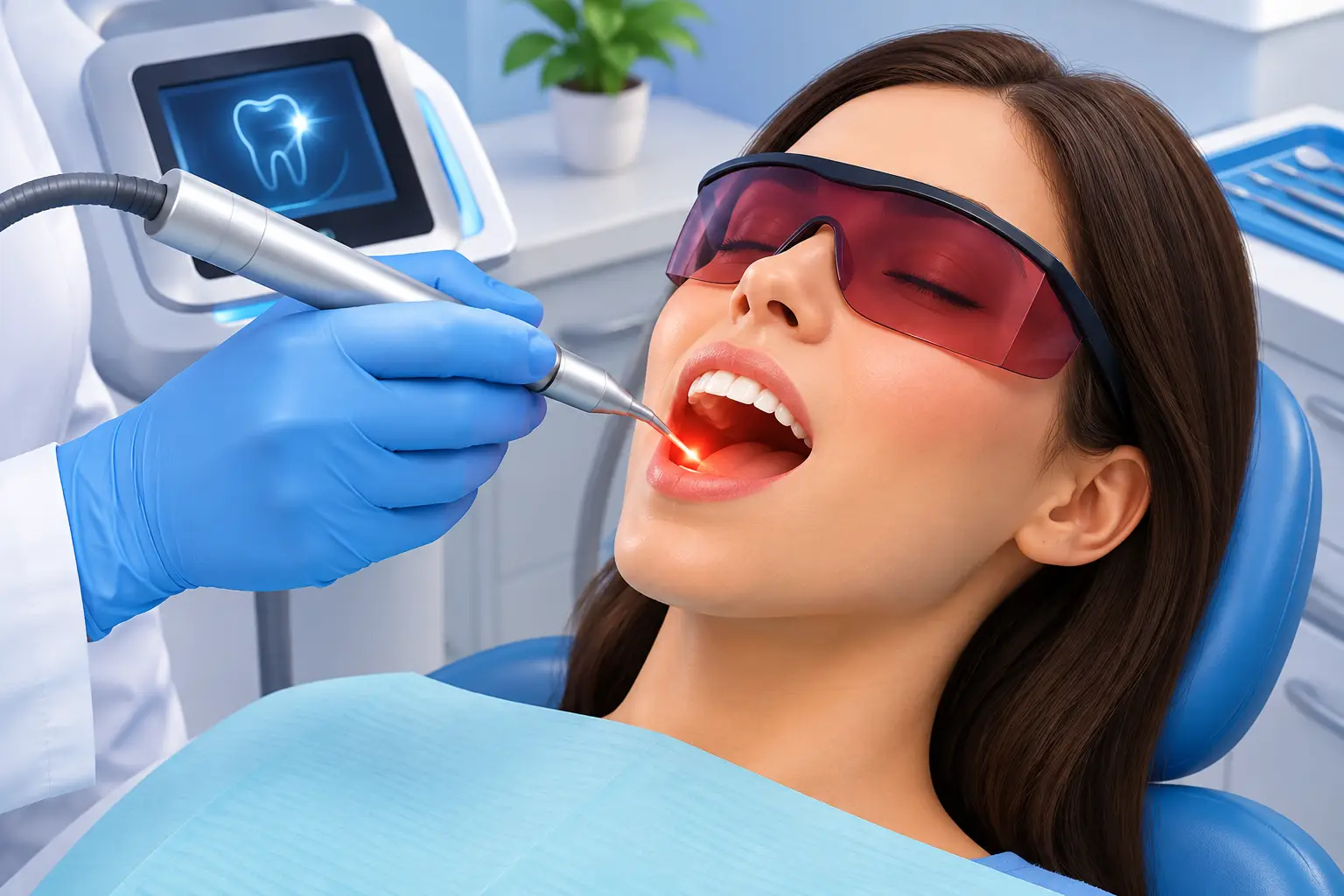
23 September 2026A dental appointment should not feel like something you have to endure. For patients delaying care because of sensitivity, injections or the memory of a difficult recovery, understanding how laser dentistry reduces pain can make treatment feel far more manageable. Dental lasers use focused light energy to treat selected areas of the teeth and gums with exceptional precision, often reducing the pressure, vibration and tissue trauma associated with conventional instruments.
Laser treatment is not a replacement for every dental procedure, and it is not a promise of a completely sensation-free appointment. However, when used for the right indication by an experienced clinician, it can improve comfort during treatment and support a calmer recovery afterwards.
How laser dentistry reduces pain during treatment
The main benefit of laser dentistry is control. Rather than using a rotating drill or a surgical blade in every situation, the dentist can direct laser energy at a defined area of soft tissue, or in some cases hard tooth tissue. This allows treatment to be more conservative and can limit unnecessary disturbance to surrounding tissue.
For gum procedures in particular, a laser can seal small blood vessels and nerve endings as it works. Patients may experience less bleeding, less swelling and reduced tenderness after treatment. Because the treatment area is so precisely targeted, healthy tissue around it is often better preserved.
Many patients also find that the experience itself feels less stressful. There may be less noise, vibration and pressure than with traditional techniques. For someone who feels anxious in the dental chair, these practical differences matter. A more comfortable appointment can make it easier to attend the care needed to protect teeth, gums and long-term oral health.
Less vibration and mechanical pressure
Conventional drills are highly effective, but their sound and vibration can be uncomfortable, especially for people with dental anxiety or sensitive teeth. When a laser is suitable for treating a small cavity or preparing selected areas, it works without the same rotational pressure. That can reduce the sharp, jolting sensation some patients associate with drilling.
This does not mean every filling can be completed with a laser. The size and position of decay, the material already in the tooth and the restoration required all influence the treatment method. In certain cases, a drill remains the most reliable option. A good treatment plan chooses the technique that best protects the tooth, rather than using technology simply because it is available.
Reduced need for anaesthetic in selected cases
Some laser procedures can be carried out with little or no local anaesthetic, particularly when treating superficial gum concerns, small areas of soft tissue or early tooth decay. The laser’s precision and reduced vibration may make the procedure tolerable without an injection for suitable patients.
That said, anaesthetic is still appropriate for many treatments. Deep decay, root canal treatment, surgical procedures and more extensive restorative care may require it for your comfort. The aim is never to avoid anaesthetic at all costs. It is to use the least invasive approach that allows treatment to be completed safely and comfortably.
Why laser treatment can support an easier recovery
Pain after dentistry is often related to inflammation and tissue healing rather than the procedure itself. Laser technology can help by creating a cleaner, more controlled treatment site and by minimising trauma to nearby gum tissue.
During soft-tissue procedures, the laser can coagulate as it treats. This means less bleeding during the appointment and often less swelling afterwards. In selected periodontal treatments, lasers may also help reduce bacteria in gum pockets alongside conventional cleaning methods. Lower bacterial levels can support healing, although laser therapy does not replace thorough plaque control at home or routine periodontal care.
For patients travelling for treatment, recovery planning is especially important. If you are visiting İzmir for cosmetic, restorative or periodontal care, your dentist should explain which stages may cause temporary sensitivity, how long healing is likely to take and whether it is sensible to schedule time before flying home. Comfort-focused technology is valuable, but clear aftercare instructions and realistic timing are equally important.
Precision can preserve more healthy tissue
In dentistry, preserving healthy structure is a priority. A laser can remove or reshape targeted soft tissue with a fine level of accuracy, which can be useful for procedures such as gum contouring, treating a gummy smile, exposing part of a tooth or managing localised gum inflammation.
By limiting the size of the treated area, the body may have less tissue to repair. This can mean reduced post-treatment discomfort and a shorter period of dietary or brushing adjustments. Healing still varies from person to person, particularly if you smoke, have diabetes, take certain medications or have active gum disease.
Improved control of bleeding and bacteria
Lasers have a natural haemostatic effect in soft-tissue care, helping to control minor bleeding while treatment is performed. This can give the dentist a clearer view of the area and may reduce the need for sutures in appropriate cases.
The energy can also reduce bacteria in the treated site. This is relevant for periodontal care, where bacterial plaque below the gum line contributes to inflammation and bone loss. A laser may be used as part of a wider periodontal plan, often following detailed assessment, professional cleaning and regular reviews. It should not be presented as a single-visit cure for advanced gum disease.
Which treatments may use dental lasers?
Laser dentistry is most commonly associated with gum and soft-tissue treatments, but its role can extend to several areas of care. The most appropriate use depends on the diagnosis, your oral health and the treatment outcome required.
Gum contouring is one example. When excess gum tissue covers too much of the teeth, a laser can reshape the gum line with precision. This is often used in aesthetic smile treatments and may be combined with veneers or crowns where the final tooth proportions need careful planning.
Lasers may also be used to manage inflamed gum tissue, remove small soft-tissue lesions, assist with certain periodontal procedures and perform frenectomy treatment. In some cases, they can support cavity detection or the removal of early decay. For whitening, laser or light activation may be offered in some clinics, although the whitening gel itself is the primary active element and results depend on your natural tooth shade and enamel condition.
For implant, full-arch and complex restorative treatment, lasers may assist with soft-tissue management but are not the central tool for every stage. Digital scans, 3D planning, specialist surgical technique and well-designed restorations remain essential. Patients should be cautious of any clinic suggesting that a laser alone makes a complex treatment painless or risk-free.
What does laser dentistry feel like?
Most patients describe laser treatment as a mild warmth, tingling or light tapping sensation rather than the pressure of a drill or scalpel. The exact feeling depends on the laser type, the area being treated and whether the tooth or gum is already inflamed.
You will still wear protective eyewear, and your dentist will check your comfort throughout the appointment. If you are nervous, say so before treatment begins. A patient-centred team can discuss local anaesthetic, breaks during the procedure and what you are likely to feel at each stage. Knowing what is happening often reduces anxiety as much as the technology does.
Afterwards, you may have mild tenderness or sensitivity. Your dentist may recommend soft foods for a short period, gentle brushing around the area and avoiding smoking or alcohol while tissues heal. Follow the individual aftercare advice you receive, especially after gum reshaping, periodontal treatment or a procedure combined with crowns, veneers or implants.
Is laser dentistry right for you?
The best answer comes after an examination, not from a general promise online. Your dentist needs to assess the condition of your teeth and gums, review X-rays or digital scans where necessary, and understand your medical history. The right treatment may involve a laser, conventional instruments or a carefully planned combination of both.
At Dentaglobal, treatment planning is designed around the clinical needs of each patient, including international visitors who need clear timelines and practical support from consultation through follow-up. The technology used should always serve the treatment outcome: healthy tissues, reliable function and a smile that feels comfortable as well as looks natural.
If fear of pain has been keeping you from addressing a dental concern, ask whether laser treatment is appropriate for your specific procedure. A clear explanation of the options, expected sensations and recovery period can turn uncertainty into a decision you can feel confident about.