


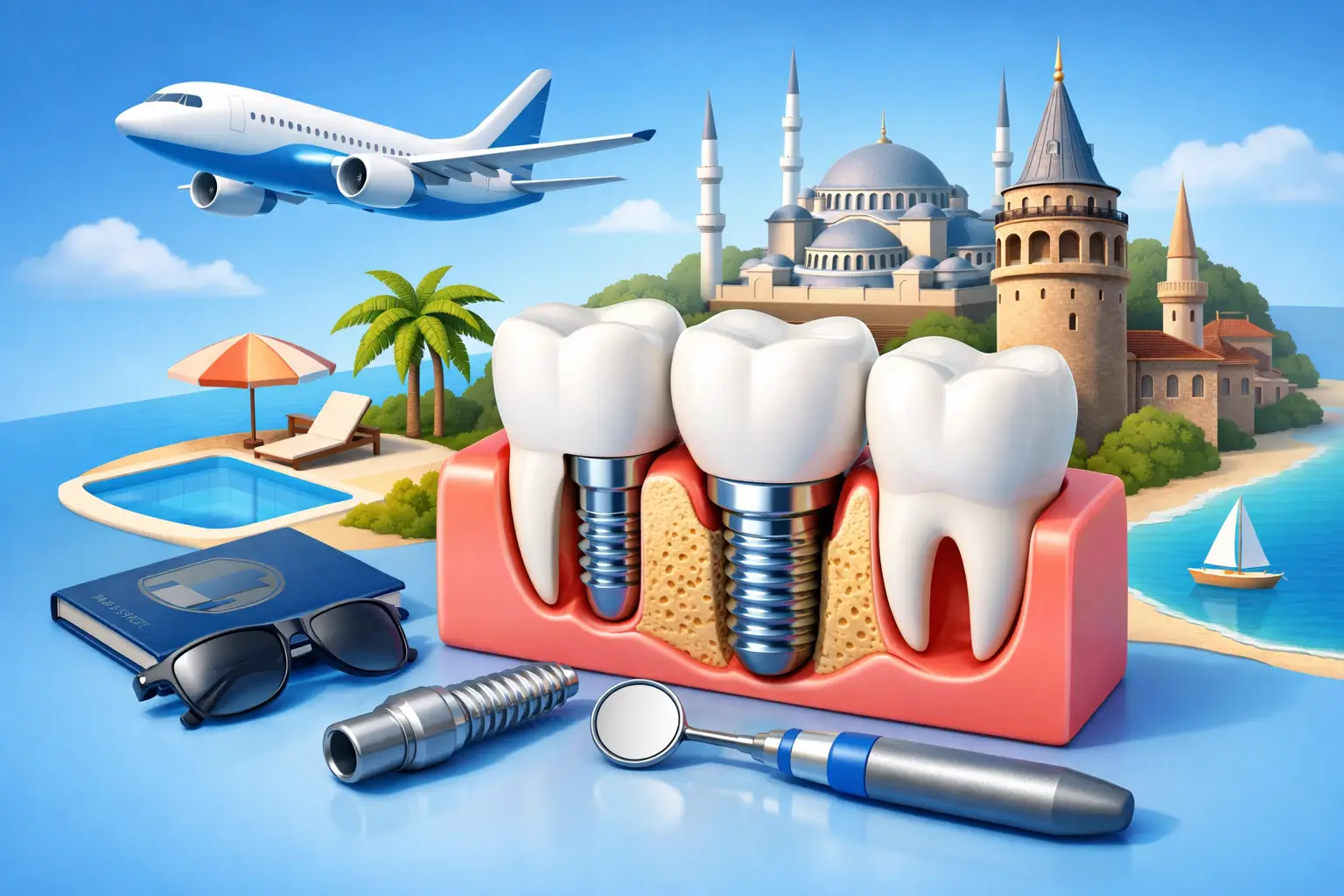
Dental Tourism Turkey Implants Explained
22 March 2026When people search for dental tourism Turkey implants, they are usually not browsing out of curiosity. They are trying to solve a real problem - missing teeth, unstable dentures, repeated dental issues, or the cost of implant treatment at home that simply feels out of reach. The right decision is not just about finding a lower price. It is about finding safe, well-planned care that delivers a stable result and makes the travel worthwhile.
Why dental tourism Turkey implants attract so much attention
Turkey has become one of the best-known destinations for implant dentistry because it offers a combination many patients struggle to find locally. Treatment costs are often significantly lower than in the UK and much of Europe, while many clinics invest heavily in digital imaging, modern surgical systems and multilingual patient support.
For patients, that matters because implant treatment is not a one-size-fits-all purchase. It requires diagnosis, planning, surgery, restoration and follow-up. If any of those stages are rushed or poorly coordinated, the lower fee quickly stops looking like value.
What makes Turkey attractive is not simply affordability. It is the fact that many international clinics have built their systems around travelling patients. That means remote consultation, fast treatment planning, airport-hotel-clinic coordination, clear scheduling and support before and after you return home.
What implant treatment actually includes
One reason patients compare prices and still feel uncertain is that “implants” can mean very different things. In some cases, a single implant is enough to replace one missing tooth. In others, several implants support a bridge, or four to six implants are used to restore a full arch.
The final treatment plan depends on your bone volume, gum health, medical history, bite, the condition of neighbouring teeth and your expectations for function and appearance. Some patients need extractions first. Others may need bone grafting, sinus lift procedures or advanced solutions such as zygomatic implants when bone loss is severe.
This is why an accurate diagnosis matters more than a headline price. A proper plan should explain what is clinically necessary, what is optional and how many stages your case will involve.
Dental tourism Turkey implants - what the process looks like
For most international patients, the process begins with a remote review of X-rays, scans or photographs. This gives the clinic an initial idea of whether you may be suitable for implants, but the final decision should always be confirmed after a full in-person examination.
Once you arrive, diagnostics usually include panoramic imaging and often 3D CBCT scanning. These tools help the clinical team assess bone structure, nerve position and sinus anatomy with much greater precision than standard two-dimensional images alone.
If your case is straightforward, implant placement may be completed during the first visit. Depending on the treatment type, temporary teeth may be fitted on the same trip, especially for full-arch cases where immediate loading is clinically appropriate. In other cases, implants are placed and left to integrate with the bone before the final crowns or bridge are fitted during a second visit.
That healing period is important. Osseointegration - the process where the implant bonds with the jawbone - cannot be hurried beyond safe limits. Any clinic promising every case can be completed instantly deserves closer scrutiny.
How much can you realistically save?
Cost is a major reason patients consider treatment abroad, and understandably so. Implant treatment in the UK can become expensive very quickly, especially when several teeth are involved or when full-arch restoration is needed.
Turkey often offers lower fees because of differences in operating costs, staffing structures and the scale at which specialist clinics work. That does not automatically mean lower quality. In many cases, patients can access advanced treatment with modern materials and digital planning for a fraction of the price they were quoted at home.
Still, value is not the same as the cheapest quote. If one clinic includes diagnostics, temporary restorations, medications, transfers and aftercare, while another advertises a lower figure but adds fees later, the comparison is misleading. Ask for a clear written plan that sets out what is included, what is excluded and which costs could change after clinical examination.
The risks patients should take seriously
Implant dentistry is highly successful when planned properly, but no reputable clinic should present it as risk-free. Infection, implant failure, poor bite alignment, gum recession, aesthetic dissatisfaction and healing complications can occur. Smoking, uncontrolled diabetes, teeth grinding and inadequate oral hygiene can all affect outcomes.
Travelling for treatment introduces extra considerations. If complications arise after you go home, how will the clinic respond? Will you receive written aftercare guidance, remote follow-up and clear instructions for urgent concerns? Will the clinic stand behind its work in a practical way, not just with reassuring words?
This is where structure matters. A dependable provider should have a defined patient journey, not only a treatment chair. Good communication before and after surgery is a core part of safe implant care.
How to choose a reliable clinic in Turkey
A reliable clinic should be able to explain who is treating you, what their qualifications are and which specialists are involved in your case. Implant treatment often benefits from a multidisciplinary approach, particularly when surgery, prosthetics and aesthetics all need to align.
Technology is another useful indicator, but it should support clinical quality rather than act as marketing decoration. CBCT imaging, digital smile design, guided planning and in-house digital workflows can improve precision and efficiency when used by experienced professionals.
Look carefully at how the clinic communicates. Do they answer questions directly? Do they explain timelines honestly? Do they discuss limitations as well as benefits? If every answer sounds effortless, be cautious. Good clinicians do not oversimplify treatment that depends on biology, healing and long-term maintenance.
Patient evidence also matters. Before-and-after cases, verified reviews and detailed treatment explanations can help you judge consistency. A clinic such as Dentaglobal, which combines specialist-led care, digital dentistry and structured support for international patients, reflects the kind of model many patients are looking for - clinically organised, cost-conscious and designed around a smooth treatment journey.
Questions worth asking before you book
You do not need to know every technical detail, but you should ask enough to understand what you are agreeing to. Ask which implant system will be used, whether the quoted price includes abutments and crowns, how many visits are required and what happens if additional procedures are needed.
It is also sensible to ask about temporary teeth, healing times and whether your case is suitable for immediate loading or needs a more cautious staged approach. If you are travelling from abroad, ask how long you should stay after surgery and whether flying home too soon could affect your recovery.
Finally, ask what support exists once you are back home. Implant treatment does not end the day you leave the clinic.
What aftercare looks like when you return home
Successful implant treatment depends heavily on maintenance. Even perfectly placed implants can fail if oral hygiene is poor or if gum inflammation is ignored. You will need to clean around the implant carefully, attend routine dental reviews and follow instructions about food, smoking and healing.
For travelling patients, aftercare works best when there is both remote support from the treating clinic and local routine care where you live. Your home dentist may not have carried out the treatment, but regular check-ups and hygiene visits are still important. The treating clinic should also provide records, guidance and a clear route for follow-up questions.
This is especially important for full-arch work. Fixed implant bridges can be life-changing, but they also require disciplined cleaning and periodic professional maintenance. Patients sometimes focus so much on the transformation that they underestimate the long-term responsibility.
Is dental tourism for implants the right choice for you?
It depends on your priorities, your oral health and how comfortable you are with travel. If you want lower costs but are unwilling to attend follow-up appointments or follow aftercare properly, treatment abroad may not be the best fit. If you are prepared, well-informed and choose a clinic with strong clinical systems, it can be an efficient and sensible route to high-quality care.
The best results usually come when patients approach implant tourism the same way they would any important medical decision - with clear questions, realistic expectations and attention to long-term value rather than short-term price. A well-planned implant is not just about replacing a tooth. It is about restoring comfort, confidence and everyday function in a way that lasts.
If you are considering treatment in Turkey, focus on the clinic’s planning, transparency and aftercare as much as the quote itself. The right provider will help you feel informed before you travel, supported while you are there and looked after long after you return home.