

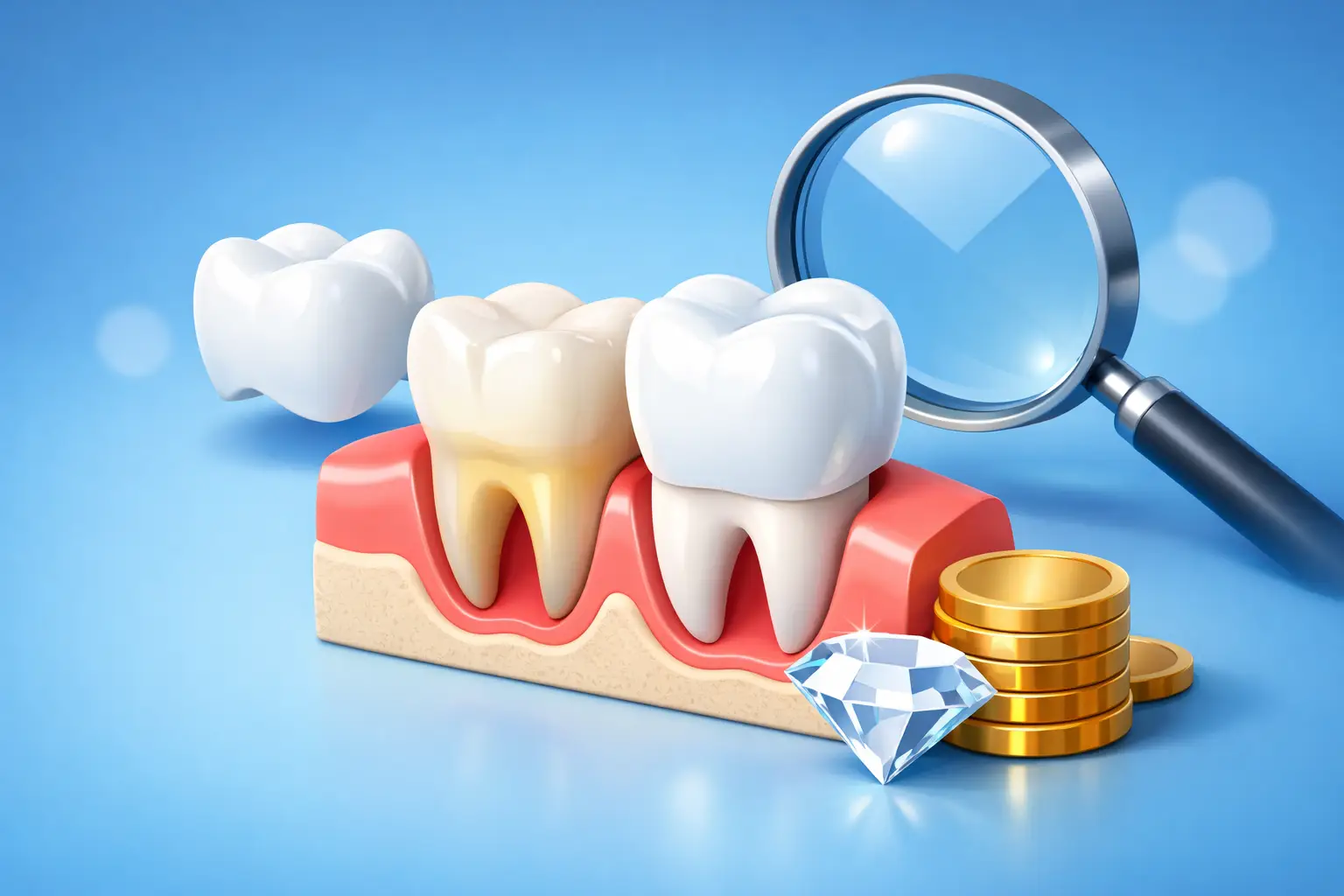
Zirconia Crown Review: Is It Worth the Cost?
30 August 2026A crown has to do more than cover a damaged tooth. It must cope with daily biting forces, sit comfortably against the gum line and look convincing when you smile. This zirconia crown review explains why zirconia is now one of the leading choices for patients seeking a strong, natural-looking restoration, and where its limitations deserve careful consideration.
For many people, the decision comes after a large filling has failed, a tooth has cracked, root canal treatment has left a tooth fragile, or an older crown no longer looks or feels right. Zirconia can be an excellent answer, but the best result depends on the tooth being treated, your bite, your aesthetic expectations and the quality of planning behind the restoration.
What is a zirconia crown?
A zirconia crown is made from zirconium dioxide, a highly durable ceramic material. It is designed and milled to cover the visible portion of a prepared tooth, restoring its shape, function and appearance. Unlike metal-based crowns, it contains no dark metal core that may become noticeable near the gum line over time.
Modern dental laboratories use digital scans and computer-aided design to produce zirconia crowns with precise margins and contours. Once the crown is fitted, it is bonded or cemented securely to the prepared tooth. The aim is not simply to make the tooth look better, but to protect the remaining healthy structure and allow you to chew comfortably again.
There are different forms of zirconia. Monolithic zirconia is made from one solid block and is especially valued for strength. Layered zirconia has a strong zirconia framework with more translucent ceramic added to the outer surface, often to improve the visual result on front teeth. More translucent modern zirconia can offer an attractive balance between strength and lifelike colour, although material selection should always be based on the clinical situation.
Zirconia crown review: the main advantages
The most consistent benefit patients notice is confidence when chewing. Zirconia is highly resistant to fracture, which makes it particularly suitable for molars and premolars that manage significant pressure. It can also be a sensible option for bridges and implant-supported restorations when the treatment plan calls for a strong, stable material.
Aesthetic quality is another reason for its popularity. Zirconia can be colour-matched to surrounding teeth and shaped to complement the smile. Because it is metal-free, it avoids the grey shadow that may sometimes appear with older porcelain-fused-to-metal crowns. This can be especially useful for teeth near the front of the mouth, where light reflection and gum-line appearance matter more.
For patients with a sensitivity or allergy to certain metal alloys, a metal-free restoration may also be reassuring. Zirconia is widely regarded as biocompatible and is generally well tolerated by surrounding soft tissues. Smooth, well-polished zirconia can be kind to the gums and easier to keep clean, provided that daily oral hygiene remains consistent.
Zirconia also offers practical value over the long term. A well-designed crown can remain functional for many years, but durability is never guaranteed by material alone. The preparation of the tooth, bite adjustment, cementation, gum health and home care all influence how long any crown lasts.
Where zirconia may not be the first choice
No crown material is perfect for every tooth. If the main priority is the highest possible translucency on a very visible front tooth, a dentist may discuss alternatives such as lithium disilicate ceramic. This material can reproduce the light properties of natural enamel beautifully in the right case, though it may not be the preferred choice where very high biting forces are expected.
Layered zirconia can provide a more refined appearance than solid zirconia, but its outer porcelain layer may be more vulnerable to chipping than monolithic zirconia. Conversely, solid zirconia is extremely strong but may appear less translucent if an older or lower-translucency grade is used. The right choice is therefore about matching material properties to your smile, not choosing the strongest option automatically.
Zirconia can also wear the opposing teeth if its surface is rough or improperly adjusted. This is why precise polishing and bite checks are essential. A well-finished crown should feel natural when you close your teeth together, not high, heavy or uncomfortable.
What the fitting process involves
A crown appointment begins with a detailed assessment. The dentist examines the tooth, surrounding gums and bite, usually supported by X-rays or digital imaging. If there is decay, infection or gum inflammation, these problems need treatment before a final crown is placed. A crown should not be used to mask an unresolved dental issue.
The tooth is then prepared by removing a controlled amount of enamel and any weakened material, creating enough space for the crown while preserving as much healthy tooth structure as possible. If little sound tooth remains, a build-up may be needed to create a stable foundation. Root canal treated teeth sometimes require additional reinforcement, depending on how much tooth structure is present.
A digital scan or impression records the prepared tooth and neighbouring teeth. The shade, shape and bite are planned carefully, then the crown is manufactured in a dental laboratory. A temporary crown may be fitted while the permanent restoration is being made.
At the fitting visit, the dentist checks the crown's margins, contact points, colour and bite before securing it. Patients should not feel pressured to accept a crown that looks noticeably different from what was discussed. Small adjustments are normal, particularly where the crown meets neighbouring teeth or contacts the opposing bite.
Appearance: will it look like a real tooth?
A good zirconia crown should not look flat, overly white or separate from the rest of your smile. Natural teeth have variations in translucency, surface texture and shade, especially towards the edges. An experienced clinician and laboratory consider these details alongside the colour of adjacent teeth, your skin tone and how much tooth shows when you speak and smile.
For a single front crown, matching can be more demanding than for a back tooth or a full set of planned restorations. Whitening should normally be completed before the final shade is selected, because a crown cannot be whitened in the same way as natural enamel. If you are considering veneers, crowns or implants as part of a wider smile change, planning the teeth together usually produces a more harmonious result.
Cost, value and treatment planning
The cost of a zirconia crown varies according to the tooth's condition, whether root canal treatment or a build-up is required, the type of zirconia chosen and the expertise involved in the laboratory work. For international patients, travel arrangements and the need for follow-up also form part of the overall decision.
Lower cost should not mean reduced clinical checks. Ask what is included in the treatment plan, whether diagnostic imaging is required, which material will be used and how the bite and final appearance will be reviewed. It is also reasonable to ask about the clinic's guarantee terms and its approach to support after you return home.
At Dentaglobal, digital treatment planning and specialist-led assessment help patients understand whether zirconia is appropriate before treatment begins. For those travelling to İzmir, clear scheduling and multilingual communication can make a multi-appointment crown treatment feel far more manageable.
Caring for a zirconia crown
A crown cannot decay, but the natural tooth at its edge still can. Brush twice daily with fluoride toothpaste, clean between the teeth each day and attend routine examinations and hygiene appointments. If you clench or grind your teeth, a custom night guard may help protect both your crown and natural teeth from excessive force.
Contact your dentist if you notice persistent sensitivity, pain when biting, a loose feeling, bleeding around the crown or a change in your bite. These signs do not always mean the crown has failed, but they should be assessed promptly rather than ignored.
The best zirconia crown is one that disappears into everyday life: it lets you eat, speak and smile without thinking about the tooth beneath it. Choose the material after a proper examination, not from photographs alone, and give the same attention to planning and aftercare as you do to the final result.