

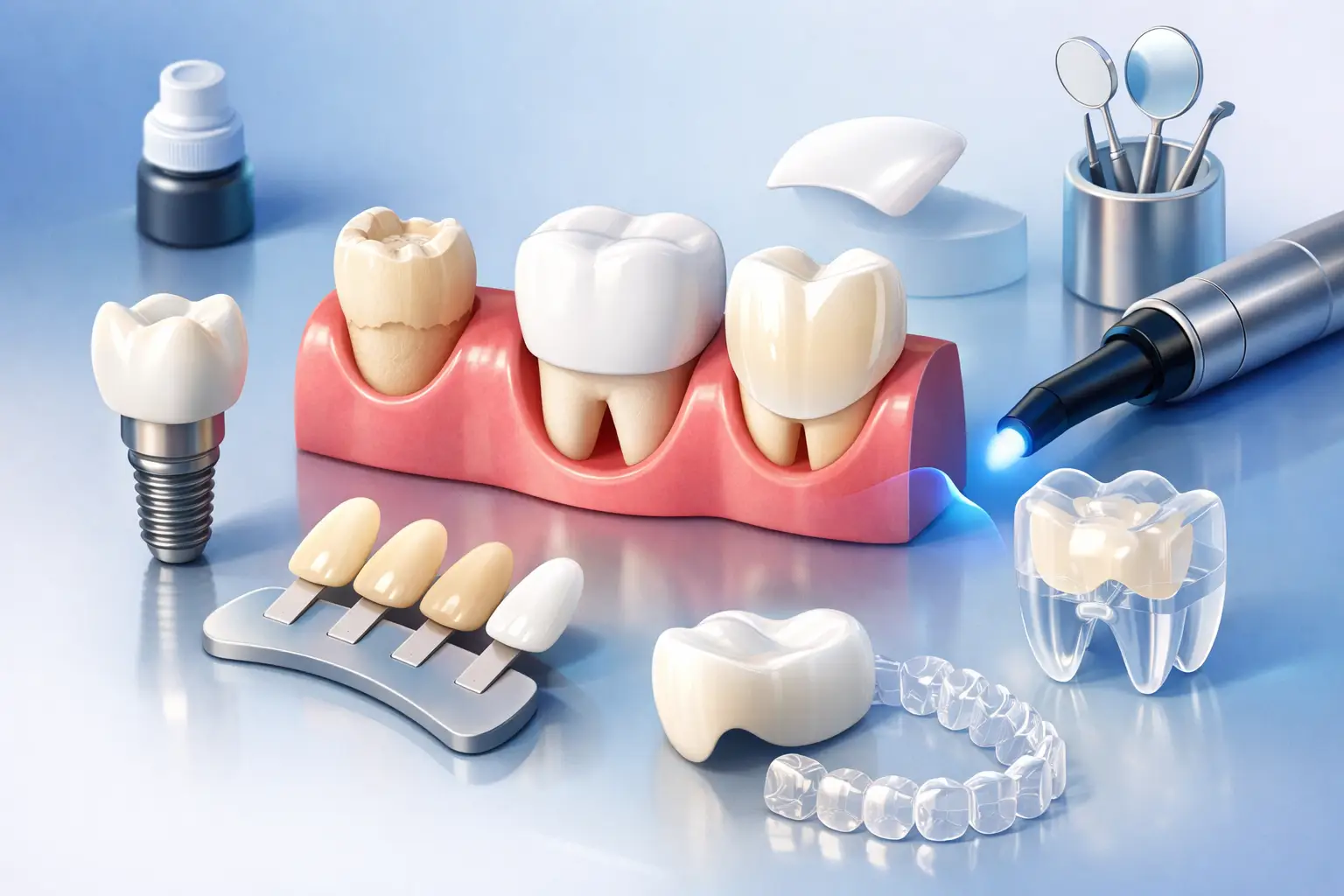
Best Treatments for Worn Teeth That Last
11 July 2026A tooth that looks shorter, flatter or slightly translucent may seem like a cosmetic concern at first. In reality, tooth wear can gradually change how your teeth meet, expose sensitive inner layers and make everyday chewing less comfortable. The best treatments for worn teeth do more than improve appearance: they protect the remaining tooth structure, restore a balanced bite and address the reason the wear happened.
Tooth wear is rarely solved by choosing the most dramatic treatment. The right approach depends on how much enamel remains, whether the teeth are sensitive or cracked, your bite, gum health and the cause of the damage. A detailed clinical assessment is the starting point for a result that looks natural and is built to last.
Why teeth wear down
Teeth are strong, but they are not indestructible. Attrition is wear caused by tooth-to-tooth contact, often linked to grinding or clenching. Erosion happens when acids soften enamel, commonly through reflux, frequent acidic drinks or certain dietary habits. Abrasion can occur through overly forceful brushing or abrasive products. Many patients have a combination of these causes.
Grinding is particularly significant because it may happen during sleep without obvious symptoms. Morning jaw tension, headaches, chipped edges and repeated damage to previous fillings can all be signs. Acid erosion can make the biting edges look glassy or transparent, while worn chewing surfaces can make teeth appear flatter and shorter.
The cause matters because a beautiful restoration can fail prematurely if the forces or acids that caused the original wear are left unmanaged. This is why treatment planning should look beyond a single damaged tooth.
Best treatments for worn teeth: choosing the right level of care
A dentist will normally assess tooth wear using clinical photographs, digital scans, X-rays where needed and bite analysis. Digital planning can show how restoring lost tooth height may affect your smile, speech and function before permanent work begins.
Composite bonding for early or localised wear
Composite bonding uses a tooth-coloured resin to rebuild chipped edges, shallow worn areas and small gaps. It is often a conservative option because little or no healthy tooth needs to be removed. It can improve the shape of front teeth quickly and is useful when wear is still limited.
The trade-off is durability. Composite can stain, chip or wear over time, particularly in patients who grind their teeth. It may need polishing, repair or replacement, but it is generally straightforward to maintain. For suitable cases, bonding can also be used as a trial restoration to test a new bite position before more permanent treatment.
Ceramic veneers for visible front teeth
Veneers are fine custom-made ceramic shells bonded to the front surface of teeth. They can restore worn, uneven or discoloured front teeth with a highly natural appearance. Ceramic is more colour-stable than composite and can reflect light in a way that closely resembles enamel.
Veneers are not automatically the best choice for every worn smile. They rely on having enough stable tooth structure for reliable bonding, and they do not correct heavy bite forces by themselves. If extensive grinding is present, a protective night guard and careful bite design are essential. In some cases, crowns are safer where the tooth is already weak, heavily filled or fractured.
Crowns for more advanced tooth damage
A crown covers the whole visible part of the tooth, providing strength as well as a new shape. It may be recommended when wear has caused substantial loss of enamel, large fractures, deep existing restorations or reduced tooth strength after root canal treatment.
Modern ceramic and zirconium crowns can be designed with excellent precision using digital scans. The material selection depends on the tooth location, bite forces and aesthetic goals. Zirconium is valued for strength, while layered ceramics can offer detailed translucency in the smile zone. A well-planned crown should not look bulky or artificial; it should restore the tooth's original proportions and work comfortably within the bite.
Because crowns require preparation of the tooth, they should be chosen when their protective benefit outweighs more conservative options. Preserving healthy tooth tissue is always an important part of treatment planning.
Onlays and overlays to preserve more tooth structure
When the biting surface of a back tooth is worn or cracked but the sides remain relatively healthy, an onlay or overlay may be an excellent middle ground. These custom restorations cover the damaged chewing surface and vulnerable cusps without necessarily surrounding the entire tooth as a crown does.
This approach can preserve more natural tissue while restoring chewing efficiency. It is particularly helpful for molars affected by moderate wear, old large fillings or early cracks. As with crowns, the bite must be checked carefully so the restoration is not exposed to excessive pressure.
Full-mouth rehabilitation for widespread wear
When multiple teeth have become significantly shorter, restoring one or two teeth alone may not solve the underlying functional problem. Full-mouth rehabilitation is a carefully staged plan that rebuilds several or all teeth to restore bite height, tooth shape and smile aesthetics.
This does not always mean placing crowns on every tooth. A comprehensive plan may combine composite bonding, veneers, onlays and crowns according to the condition of each tooth. The objective is to be as conservative as possible while restoring stable function.
For complex cases, temporary restorations or a digital mock-up can be used to assess comfort, speech and appearance before final ceramics are made. This is especially reassuring for patients who have adapted to a collapsed bite over many years. The process can require more appointments and a greater investment than isolated treatment, but it offers a coordinated solution where wear is extensive.
Orthodontics when tooth position contributes to wear
Crowding, protruding teeth and an unbalanced bite can concentrate force on certain edges. Orthodontic treatment may move teeth into safer positions before restorative work, reducing the amount of bonding or ceramic needed afterwards.
This is not necessary in every case, but it is worth considering when uneven alignment is driving repeated chipping or when a patient wants the most conservative long-term route. Clear aligners or fixed orthodontics may be part of a broader restoration plan rather than a stand-alone answer.
Protecting restorations after treatment
The longevity of any restoration depends on aftercare. If grinding is suspected, a custom night guard can reduce direct pressure on teeth and restorations while you sleep. It is tailored to your bite and is different from a generic shop-bought guard.
Where erosion is involved, protective habits are equally valuable. Reducing frequent acidic drinks, avoiding brushing immediately after acidic food or drink, managing reflux with the appropriate medical support and using fluoride products recommended by your dentist can all help preserve enamel. Gentle brushing with a soft toothbrush is preferable to aggressive scrubbing.
Regular reviews allow small chips, bite changes or early gum concerns to be managed before they become larger problems. A restoration should feel comfortable from the outset, but contact the clinic if it feels high, causes pain or makes chewing difficult.
Planning treatment when travelling for dental care
For international patients, complex worn-teeth treatment needs particularly careful planning. Clear photographs, X-rays and an initial consultation can help establish whether treatment can be completed within the available travel period or should be staged. Some cases need time for gum health, orthodontics, healing or trial restorations before final work is fitted.
At Dentaglobal, digital scans and specialist-led planning help create a treatment plan around the condition of your teeth, bite and practical travel schedule. The priority is not to make teeth look longer quickly, but to create a stable, natural-looking result that you can eat, speak and smile with confidence.
If your teeth are becoming shorter, more sensitive or increasingly chipped, do not wait for a larger fracture to force the decision. An assessment can show what can still be protected with conservative care and what level of restoration will give your smile the security it needs.